Direct from manufacturer
Intelligent HD 3D Wall Inkjet Printer
- Place of Origin
- Beijing, China
- Brand Name
- WallNova
- Certification
- CE for machine, RoHS for ink

Factory direct product
90V 246V Vertical Wall Printer Robot. Model ZK-Q8. from Beijing, China.
Product specifications
Consolidated technical specifications
Two parts of this title are easy to misread: the voltage string and the word Robot. The first is a name-level electrical descriptor with no measurement condition attached, and the second is a product name rather than a description of a mechanism. What the listing does fix is a model, ZK-Q8, a machine-level CE record and an ink-level RoHS record, alongside an origin of Beijing, China.
| Field | Recorded value |
|---|---|
| Product designation | 90V 246V Vertical Wall Printer Robot |
| Model Number | ZK-Q8 |
| Brand Name | WallNova |
| Place of Origin | Beijing, China |
| Platform reference | 13581606 |
| Category placement | Listed on this platform under multifunction flatbed printer and cylinder UV printer |
| Designation descriptors | Supply range descriptor, robot platform descriptor, vertical wall printer descriptor, as stated in the product name |
| Conformity scope | CE for machine, RoHS for ink, as recorded in the listing specifications. Certification depends on the actual product model and target market. |
90V 246V is reproduced here exactly as the title writes it, without an en dash or hyphen inserted between the two values. Whether the pair describes a continuous input window, a tolerance band around a nominal supply, or two separately orderable variants is not stated, so the quotation has to settle that before a site electrician is asked to prepare a circuit.
Nameplate reading: voltage string, model, archive class
One listing can be read from three directions: the title, the specification table and the category it is filed under. On this page the three do not agree, and the disagreement is worth resolving in writing before a purchase order is raised.
| Configuration item | Record basis for this unit | Buyer confirmation point |
|---|---|---|
| Voltage descriptor | 90V 246V written as two endpoints in the product name, with no nominal value and no frequency | Ask the quotation to state nominal supply, accepted window, frequency and plug standard for the destination. |
| Mechanism wording | Robot appears in the product name; no arm, drive type or autonomy is described anywhere in the listing | Require a description of the axis arrangement, column, rail and base, rather than accepting the noun as a capability. |
| Archive classification | Filed under multifunction-flatbed-printer and cylinder-uv-printer, while the title describes a vertical wall printer | Record the category the buyer's own system will use, because filters and tender lists are built on that field. |
| Model and nameplate | ZK-Q8, a designation shared with other listings in this series | Tie the nameplate to the platform reference 13581606 and the signed specification as a single set. |
| Conformity scope | CE for machine, RoHS for ink, recorded at two different scopes | Request the document that names this model and the destination market rather than a company-level statement. |
The category field is not cosmetic. A buyer searching flatbed or cylinder equipment will not reach a wall machine through the title alone, and a buyer who archives by category will file this unit where the next person will not think to look.
Wide-range input, a fixed column, and the cost of a misleading category
A supply window written as 90V to 246V is a convenience in export sales and a set of questions on site. The mechanics are simpler than the name suggests: a column, a base and a head that travels vertically, with nothing robotic in the motion.
| Area | What this machine imposes | Verification action |
|---|---|---|
| Supply window and site circuit | Two endpoints say nothing about inrush, waveform or behaviour at the low end, so a long generator-fed run and a stable mains supply are not interchangeable. | Have the electrician measure the supply at the wall under load and attach the reading to the survey. |
| Frequency and plug standard | Neither 50Hz nor 60Hz appears in the title, and the destination plug is a separate orderable detail. | Fix frequency, plug type and cable length in the quotation rather than discovering them at unpacking. |
| Earthing and shared circuits | Wall units are often installed where the socket is shared with lighting or hand tools, which is where intermittent carriage faults begin. | Require a dedicated earthed circuit and route data cabling clear of variable-speed drives. |
| Column, base and plumb | The head travels on a fixed column, so an unlevel base changes the head-to-wall distance with height and the fault reads as colour drift. | Level the base, plumb the column, then run a dry travel before any artwork is loaded. |
| What Robot does not add | No self-propulsion, navigation or arm is described, so erection and repositioning take the same labour as any rail machine of this size. | Plan two people for erection and write that into the installation method statement. |
| Catalog and tender alignment | A unit filed under flatbed and cylinder categories will not surface in a wall-printer search, so a tender list built from those categories will miss it. | Carry the platform reference on every internal document so the record survives a later category correction. |
Where a measurement condition is missing, the useful substitute is a record from the buyer's own building: voltage measured under load, a plumb reading on the column, and the head-to-wall distance at the top and bottom of travel.
Product description and image documentation
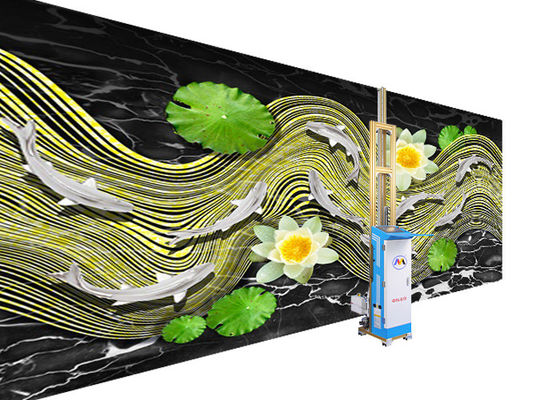
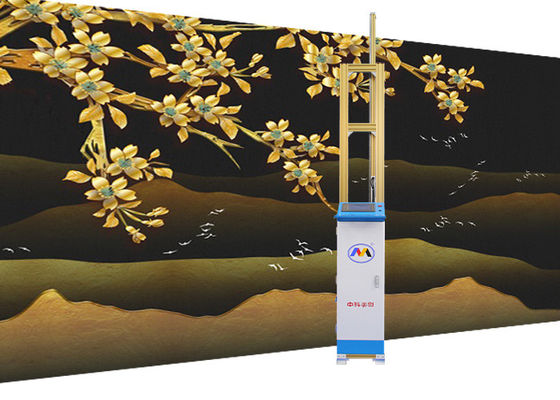
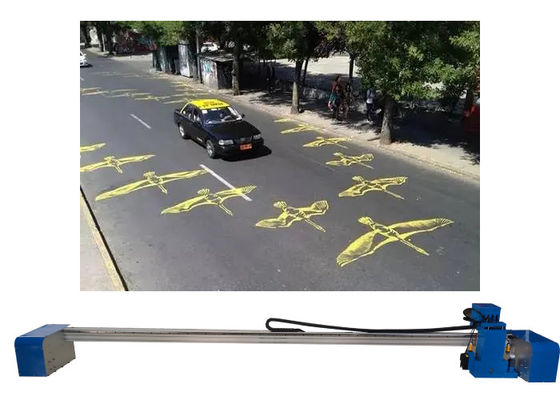
Four views of this unit sit in the platform media library under reference 13581606 and are displayed below at their intrinsic aspect ratios. Select any view to open the enlarged viewer, then step through the set with Previous and Next or the arrow keys.




The four views are the complete image set held for reference 13581606, and each file name is unchanged from the library, so any view can be traced back to the listing record it came from.
Independent manufacturer overview
The storefront identifies WallNova as a digital wall printing technology manufacturer working from Beijing, China. The block below repeats the supplier identification as published; it is not a statement about how this particular machine is built or equipped.
| Qualification aspect | Scope statement |
|---|---|
| Machine conformity | Assessed for the shipped model and the regulatory requirements of the destination market. |
| Ink conformity | Assessed separately from the machine, against the ink set supplied with the order. |
| Certificate applicability | Certification depends on the actual product model and target market. |
| Documentation control | Documents are issued against the delivered configuration schedule and the named contracting entity. |
Supplier identification and product conformity are separate questions. A company record does not answer for the ZK-Q8, and the certificate that matters names the shipped model and the market it enters.
Objections raised by the 90V 246V title
These questions come from the wording of this one listing rather than from wall printers in general. Payment terms and packing are answered in the quotation, not here.
It means the title prints a range from 90V to 246V without saying how the range is produced. A wide-input supply, a tapped transformer and two separately built variants all look identical in a product name. The difference matters at the socket: the first runs anywhere in the window, the second needs the tap set correctly, and the third has to be ordered against the destination.
No mechanism is described that would justify the noun. There is no articulated arm, no drive specification and no statement of autonomous operation, so the working assumption should be a column and rail unit that an operator positions by hand and aligns before printing. Robot here is a naming convention in the catalogue, and it should not be allowed to set expectations for labour, setup time or floor space.
The record carries two category identifiers that point at multifunction flatbed and cylinder UV equipment, while the title and specification describe a vertical wall printer. The likely explanation is a bulk upload or a reused record, but the effect is practical: category-driven filters, comparison tables and e-procurement taxonomies will place this unit with the wrong machines. Quoting the platform reference is the reliable way around it.
Not the one in the title. Ask for the nominal supply, the accepted window and the frequency in writing, then have the electrician measure what is actually available at the intended position under load. A circuit that reads correctly with nothing connected can still sag once a compressor or a welder on the same distribution board starts, and that failure will be blamed on the printer.
The listing records CE for the machine and RoHS for the ink, which are two separate scopes covering two different things. Certification depends on the actual product model and target market. The document set for a specific destination is therefore confirmed at quotation rather than inferred from a product name that also describes a motion the machine does not perform.
The position, the supply, the access route and the head-to-wall distance, all recorded before the crate is opened. Erecting first and measuring afterwards turns a survey question into an installation problem, and installation problems on a wall machine tend to be solved by drilling into the wall.
Pre-order file for a wide-input wall unit
Each line below replaces a word in the title with a document. Where a line cannot be answered, it belongs in the quotation as a question rather than in the file as an assumption.
| Check | What this unit requires | Record to hold |
|---|---|---|
| Model and reference | ZK-Q8 on the nameplate matches the order and reference 13581606. | Signed order specification |
| Electrical basis | Nominal supply, accepted window, frequency and plug standard are stated together. | Quotation, electrical survey |
| Mechanism description | Axis arrangement and erection method are described rather than inferred from the word Robot. | Installation method statement |
| Category decision | The buyer's archive category is chosen deliberately and recorded against the order. | Internal catalog record |
| Conformity documents | CE for machine and RoHS for ink name the shipped model and the destination market. | Certificate set for the delivery |
| Site baseline | Measured voltage, column plumb and standoff at both ends of travel are written down. | Commissioning record |
The list is short because the listing is short. Its purpose is to make the gaps visible while they can still be priced into the order rather than absorbed on site.
Direct from manufacturer

Direct from manufacturer
Direct from manufacturer